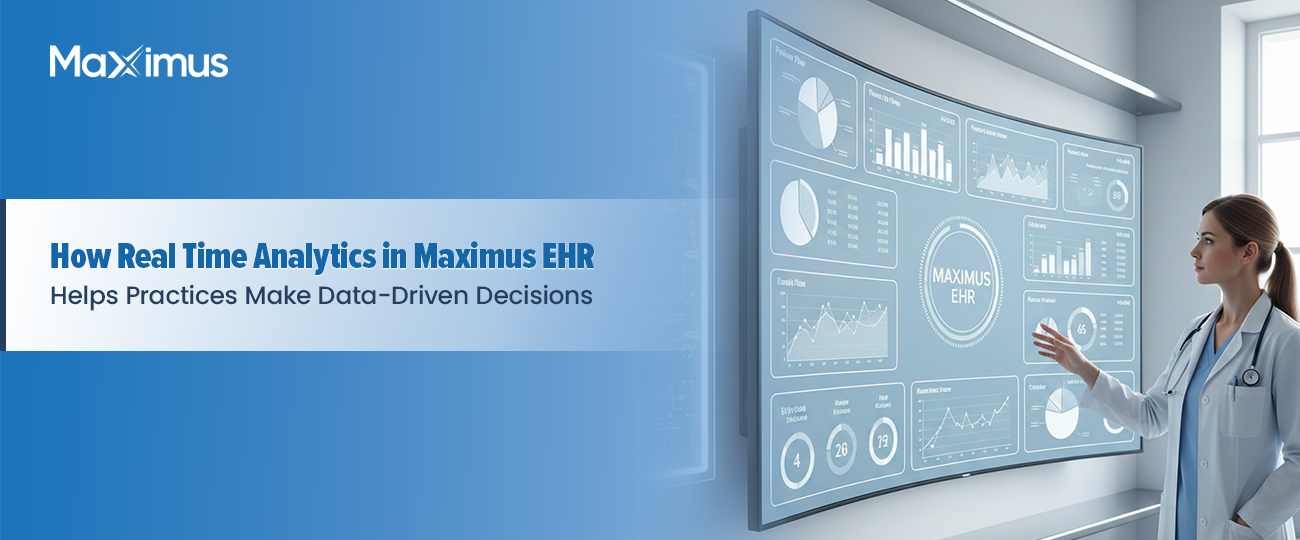
How Real-Time Analytics in Maximus EHR Helps Practices Make Data-Driven Decisions

How Real-Time Analytics in Maximus EHR Helps Practices Make Data-Driven Decisions banner

Table of Contents

Introduction

Healthcare practices today are expected to accomplish more with fewer resources – treat patients more efficiently, improve outcomes, manage compliance requirements, and maintain financial stability. Yet many decisions inside small, medium, and multi-specialty practices are still made using outdated reports pulled at the end of the week – and sometimes even the end of the month.

Physicians and practice managers need instant access to accurate, real-time data. This includes patient visit volumes, appointment schedules, billing information, documentation completion, and claim status. This is where real-time analytics inside Maximus EHR becomes a game-changer.

By turning raw data into actionable insight, Maximus EHR helps healthcare practices make confident decisions. Those decisions are based on live information rather than guesses.

What Is Real-Time Analytics in an EHR?

Real-time analytics refers to the ability of an EHR to collect, process, and display data as it happens, rather than after the fact.
Instead of waiting for:
Providers and administrators get instant visibility into what is happening inside their practice – right now.
In Maximus EHR, real-time data flows across:
This gives healthcare leaders a complete picture of their practice – without having to request custom reports or crunch spreadsheets.

Why Traditional Reporting Is No Longer Enough

Traditional EHR systems rely heavily on static reporting: PDFs or spreadsheets generated once a week, or even manually.
While those reports still serve a purpose, they fall short in today’s healthcare environment.
The modern healthcare challenge can be summed up with three realities:

When decisions are based on outdated data, practices often experience:

Real-time analytics flips this dynamic. Problems can be identified as they occur – not after the damage has been done.
How Real-Time Analytics Works Inside Maximus EHR

How Real-Time Analytics Works Inside Maximus EHR

Maximus EHR is built with a data engine that continuously organizes information across departments. The system automatically aggregates everything from clinical documentation to billing activity into intuitive dashboards.

Behind the scenes, Maximus EHR:
This eliminates the need for manual reporting and gives decision-makers access to high-confidence information throughout the day.

Key Benefits for Healthcare Practices

Real-time analytics doesn’t just look impressive on a dashboard – it transforms operational efficiency and patient outcomes.
Benefit Impact on Practice
Immediate operational insight
Spot delays, staffing gaps, or workflow inefficiencies as they happen
Improved financial performance
Track billing pipeline, prevent aging A/R, and reduce denials
Better resource allocation
Providers and administrators can deploy staff based on real demand
Higher quality patient care
Monitor wait times, visit throughput, and clinical completion
Faster decision-making
Leaders no longer guess – they act based on live data
Increased transparency
Teams operate from the same shared source of truth
Instead of waiting to “discover” problems, practices can address them proactively.

Real-Time Analytics Use Cases Across a Practice

Different departments benefit in different ways.

Administrators

Gain instant visibility into open appointments, patient flow, and workload distribution. This prevents bottlenecks on busy days and helps allocate front-desk and nursing staff.

Providers

Track patient visits, care plans, documentation completion, and follow-up needs. This reduces charting backlogs and improves continuity of care.

Billing and Revenue Cycle Teams

Identify denials, delays, and missing documentation at the earliest stage – not after payer submission. This keeps reimbursement on track and reduces A/R days.

Practice Managers and Executives

Use real-time indicators to forecast growth, manage KPIs, and evaluate financial health – crucial for sustainable expansion.

The Role of Dashboards and Visualization

Raw data is overwhelming. Maximus EHR turns it into simple visuals.
Custom dashboards allow practices to track:
Users can customize what they see based on:
The result: information becomes meaningful – not just available.

Making Data-Driven Decisions that Improve Care & Revenue

When practices understand what is happening in real time, decision-making shifts from reactive to strategic.
Examples include:
This directly impacts:

Real-Time Analytics vs Traditional Reporting

Feature Traditional Reporting Real-Time Analytics
Timing
Weekly/monthly
Instant/live
Decision style
Reactive
Proactive
Accuracy
Often outdated
Current + contextual
Operational insight
Limited
Comprehensive
Impact on claims
Problems found later
Problems resolved earlier
Visibility
Siloed
Unified across departments
Practices adopting real-time analytics are positioned to outperform competitors that still rely on static data.

Who Benefits Most from Real-Time Analytics

Maximus EHR’s real-time data infrastructure supports:

If a practice wants visibility, efficiency, growth, or control, real-time analytics is essential.
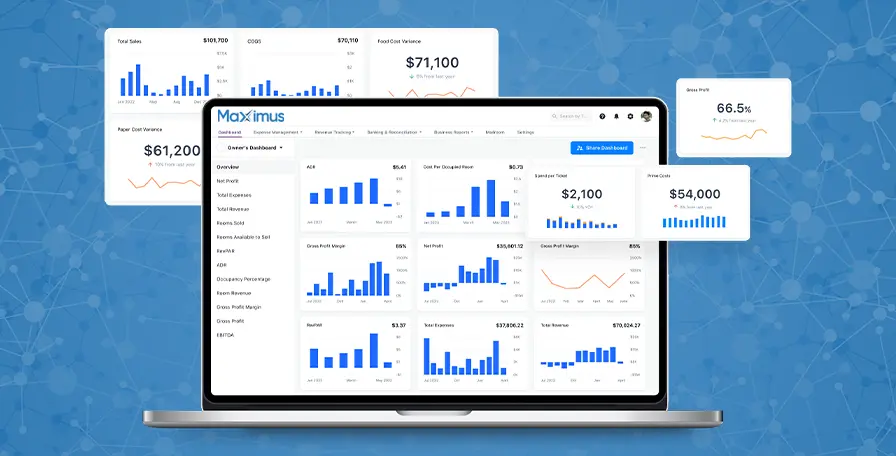
How Maximus EHR Turns Data Into Action

How Maximus EHR Turns Data Into Action

Many EHRs offer reports, but only a few turn them into actionable insights.
Maximus EHR stands out because it:
Instead of treating analytics as an add-on feature, Maximus builds it into the core of the platform.

Final Thoughts

Modern healthcare requires modern tools. Real-time analytics is no longer a luxury – it’s a necessity. Practices that rely on old reporting methods risk lost revenue, inefficiencies, and missed opportunities.
Maximus EHR equips healthcare leaders with live visibility into their operations, empowering smarter, faster, and more confident decision-making – so practices can focus on what matters most: patient care.
If you’re ready to replace guesswork with clarity, Maximus EHR brings real-time analytics, clinical tools, and billing intelligence into a single seamless platform.

See Maximus EHR in action – book a demo today. Your practice decisions will never look the same again.

Unlock the Power of Real-Time Practice Insights

Schedule a free Maximus EHR demo and see how real-time dashboards help you improve care delivery and financial performance.

FAQs

What makes real-time analytics different from traditional EHR reporting?
Traditional reporting provides static information generated weekly or monthly, which means practices often make decisions based on outdated data. Real-time analytics delivers live insights as events occur, allowing physicians and administrators to take action immediately rather than react to problems after they’ve already happened.
How does real-time analytics improve patient care?
With live data on patient volumes, wait times, documentation status, and follow-up needs, providers can reduce care delays, manage patient flow more efficiently, and ensure no patient slips through the cracks. This ultimately leads to stronger outcomes, improved patient experiences, and continuity of care.
Can real-time analytics impact revenue cycle performance?
Yes. Real-time visibility helps billing teams identify missing documentation, denials, or pending claims before they cause delays or lost revenue. It shortens the reimbursement cycle, reduces aging A/R, and keeps financial workflows running smoothly.
Is real-time analytics useful for small practices, or only for large healthcare organizations?
Real-time analytics benefits practices of every size. Small clinics can better manage staff schedules and billing bottlenecks, while larger groups and multi-location practices gain visibility across departments and providers. Any practice that needs efficiency and operational clarity can benefit.
How does Maximus EHR deliver real-time analytics without adding extra work?
Maximus EHR automatically collects and processes data as clinicians document care or billing teams manage claims. The system updates dashboards and KPIs instantly – so teams don’t need to create manual reports or refresh spreadsheets. Insights are delivered automatically to the users who need them.