Running a small medical practice in the US is demanding. Providers balance clinical duties, staff management, insurance requirements, and an ever-growing amount of administrative work. Traditional on-premise EHRs were supposed to ease this load, but for many practices, they haven’t delivered on that promise. Instead, they’ve introduced new challenges such as costly servers, outdated interfaces, limited access, and sluggish performance.
That’s where cloud-based EHRs are making a difference. They’re not just “new technology”, they’re transforming how small practices work every single day.
Cloud-based EHRs give small practices something they’ve never fully had before: freedom.
Instead of being tied to a physical server in the office, providers can securely access patient records, schedules, and documentation from anywhere. Whether you’re reviewing charts after hours or managing telehealth appointments from home, the system moves with you.
This kind of flexibility helps small practices stay productive even during unexpected closures, bad weather, or staffing challenges. It also supports remote billing teams and off-site admin work without the hassle of extra IT setup.
One of the biggest advantages of switching to a cloud EHR is cost savings. Traditional systems require expensive servers, constant maintenance, and dedicated IT help. Cloud solutions obliterate those layers.
Instead of large upfront investments, practices pay a predictable subscription fee. They also get automatic updates, built-in security, and technical support without additional expenses. For small practices operating on tight budgets, this is a significant benefit.
Small practices need systems that actually make work easier. Cloud-based EHRs streamline day-to-day tasks like scheduling, charting, e-prescribing, and claims management. Staff don’t waste time clicking through outdated screens or waiting for a slow system to respond.
Teams can move through their day more efficiently with cleaner interfaces and automated processes. Providers spend less time charting. Front desk staff handle scheduling and reminders faster. Billers can submit and track claims with fewer errors. The result is a smoother, more organized workflow across the entire practice.
Billing can make or break a small practice. Cloud EHRs help tighten the revenue cycle by improving claim accuracy, reducing errors, and streamlining communication between clinical and billing teams.
Many practices assume that keeping data “on-site” is safer, but the reality is the opposite. Cloud systems offer advanced security protections. These include HIPAA-compliant hosting, encryption, multi-factor authentication, automated backups, and 24/7 monitoring.
These safeguards are built into the system and continuously updated. Most small practices simply cannot match this level of protection with an on-premise server, making cloud solutions not only convenient but significantly safer.
With cloud-based EHRs, practices no longer deal with server crashes, scheduled downtime, or manual system upgrades. Everything runs in the background:
This removes a major burden from small practices that don’t have the luxury of in-house technical teams.
Cloud platforms are designed to grow with a practice. Whether a clinic wants to add telehealth, adopt AI-driven tools, expand services, or streamline patient communication, cloud EHRs integrate with modern healthcare technology easily.
For small practices trying to stay competitive in a fast-changing environment, this adaptability is essential, not optional.
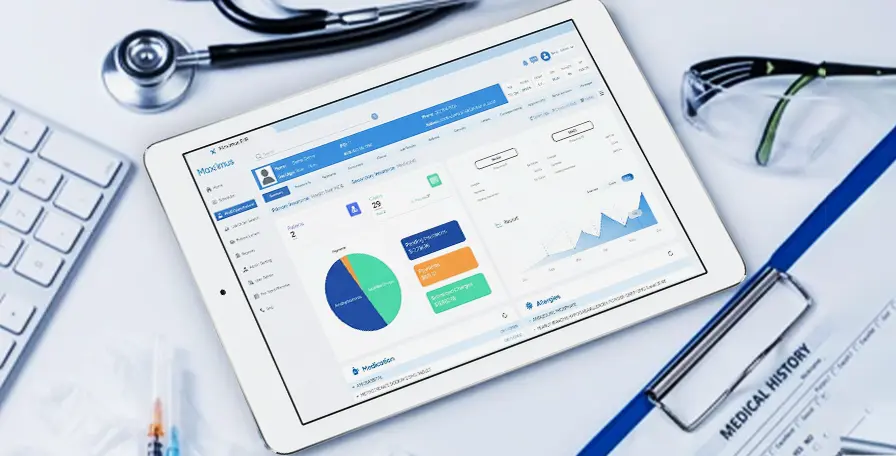
You get a complete, cloud-based platform that supports your clinical, administrative, and financial workflows from day one.
Cloud-based EHRs are reshaping how small practices operate. They bring flexibility, lower costs, stronger security, faster workflows, and better financial performance. All of this comes without the technical headaches of traditional systems. For small clinics across the US, the shift to the cloud isn’t just a trend. It is becoming a requirement for sustainable, efficient practice management. And with solutions like Maximus EHR, making that transition is easier than ever.
Schedule a free Maximus EHR demo and see how cloud-based workflows reduce costs, improve efficiency, and simplify daily operations.